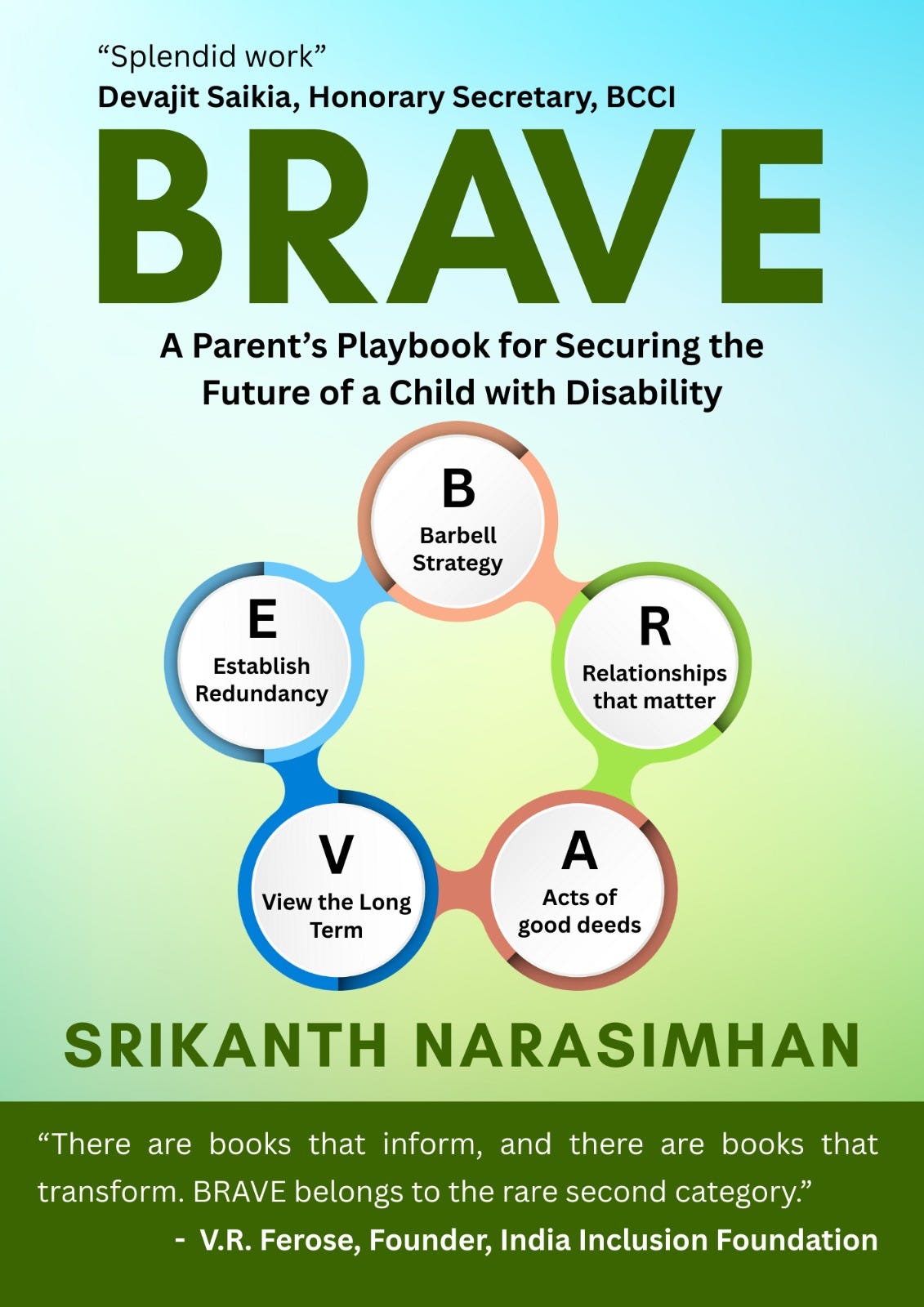
Turning adversity into advantage - Novak's playbook
"When it goes to five sets, I know I have the advantage." What does that mean to parents of children with disabilities?

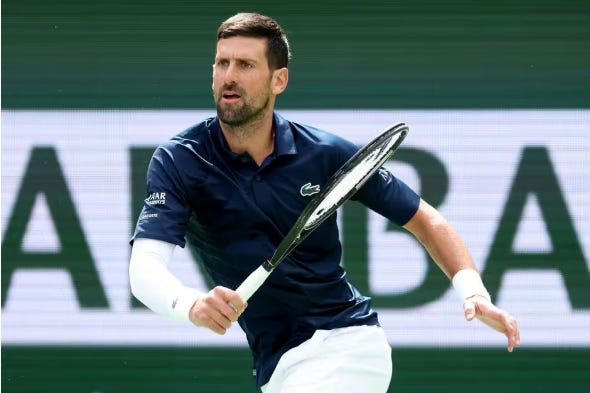
Novak Djokovic, winner of 24 Grand Slam titles, is widely known as the greatest tennis player in the history of the game.
What is less known is that Novak has a career record of 41–11 in 5th sets as of March 2026. His 78.8% winning percentage in deciding sets is one of the highest in the Open Era among players with a significant number of five-set matches. It comes down to a combination of fitness, mental strength, strategy, and experience.
Let us pause for a moment to consider what that really means. When a best-of-5 sets match gets into the 5th set, it means both players have played equally well on that day, so the 5th set could go either way. But if the opponent is Novak Djokovic, before even the 5th set commences, Novak has a 78.8% advantage of winning the 5th set and the match. In other words, Novak excels when there is adversity - because playing a 5th set requires extraordinary physical and mental stamina, combined with strategy and execution.
Novak turns adversity into advantage. How?
Mindset - Novak has built a tremendous amount of self-belief. He thrives when the match gets tight. Through the practice of meditation, Novak can turn his mind to focus on big points when he wants. Most of the time, his extraordinary self-belief wears down even the best of his opponents. In 5-set matches, mental endurance matters as much as physical endurance — and Djokovic excels here.
Djokovic also trains well:
Elite endurance (rarely fatigues late in matches)
Flexibility (reduces injury risk)
Efficient movement (conserves energy)
This is especially important in 5-set matches where opponents often fade in sets 4 and 5. He often gets stronger as the match goes on — a rare trait.
Strategy - Novak prepares for each opponent by surveying the opponent’s strengths and weaknesses. He can surprise the opponent by mixing the shots - drop shots, serve and volley, lobs, and rallying. In the crunch moments, he can slow down the game by taking a medical timeout, talking to the crowd, or talking to his coaching staff.
Djokovic is extremely good at:
Figuring out opponents over time
Adjusting strategy mid-match
Exploiting weaknesses in later sets
Long matches give him more time to solve the opponent.
Execution: Playing the 5th set in a grand slam usually results in both players raising their games a couple of notches. But the big moments in the 5th set are usually about holding the nerves at 30-40 or 40-40. Novak can raise his game by serving aces or attacking the opponent relentlessly.
Djokovic himself once said:
“When it goes to five sets, I know I have the advantage.”
That’s psychological dominance — opponents know he’s hard to beat late.
In summary, the formula for turning adversity into advantage is:
Mindset + Strategy + Execution. That is antifragility in action.
Parents of children with disabilities can take a leaf out of Novak's book to ensure a good quality of life for their children with disabilities throughout their lifetime.
My book BRAVE: A Parent’s Playbook for Securing the Future of a Child with Disability illustrates how parents can turn adversity into creating an upside.
The formula is very similar:
Mindset → Hope + Purpose
Strategy → BRAVE
Execution → Executing the barbell strategy
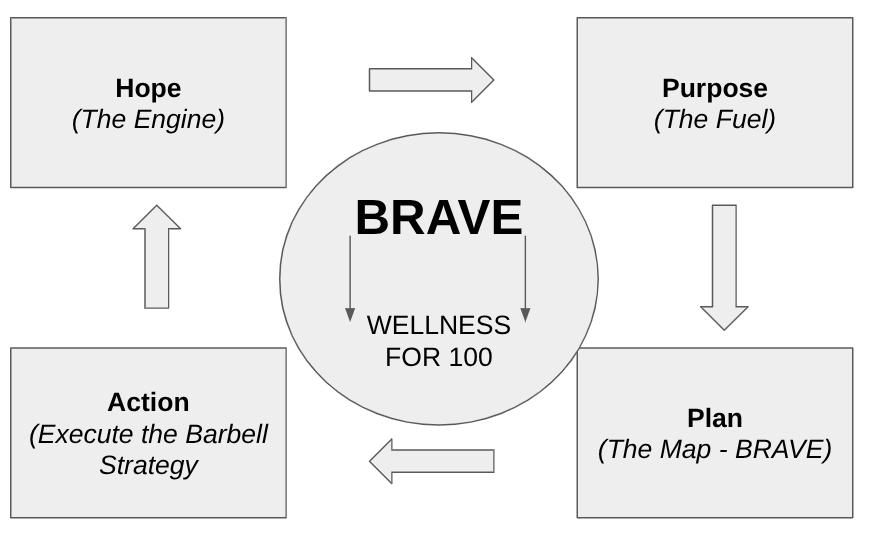
BRAVE stands for:
• B — Barbell Strategy: balancing safety with experimentation.
• R — Relationships That Matter: building networks of love and trust.
• A — Acts of Good Deeds: giving back to create an ecosystem of kindness.
• V — View the Long Term: staying in the game for decades, not days.
• E — Establish Redundancy: planning for life’s unpredictability